When to Call Experts: Top Signs Your Chimney Requires Cleaning: Protect Your Home From Fire Hazards
Chimney care is commonly disregarded, however it serves a vital function in household safety. Homeowners should be aware of specific warning signs that indicate a need for professional cleaning. Unpleasant smells, heavy smoke, and creosote accumulation are only some of the warning signs. Overlooking these warnings can give rise to considerable dangers. Understanding these dangers and knowing when to act can protect both property and lives. The following sections will explore these essential aspects further.
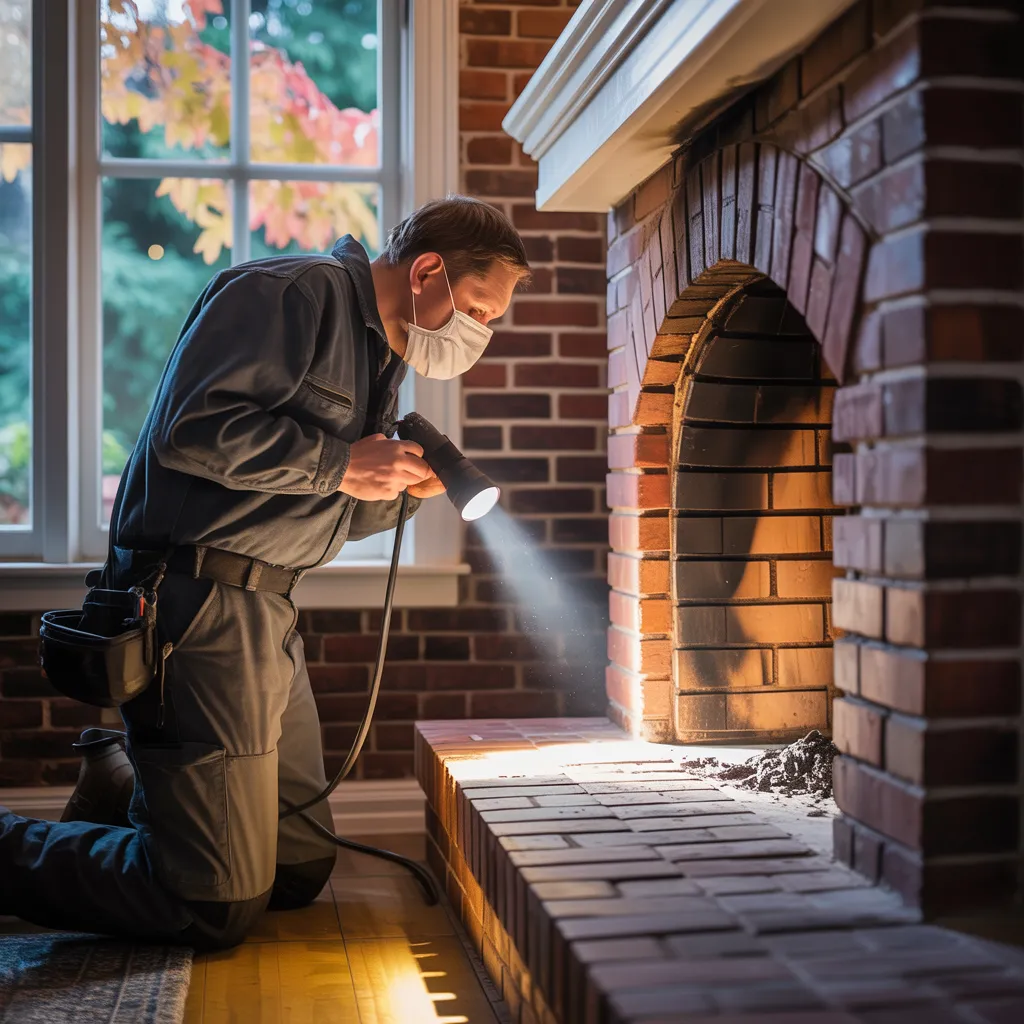
Spotting the Warning Signs of Chimney Neglect
How do homeowners recognize the warning signs of a neglected chimney? Homeowners should be vigilant for several key indicators. One of the most notable warning signs is creosote accumulation, which often manifests as a black, sticky residue along the flue walls. Such accumulation forms through regular fireplace use and demands immediate action. Additionally, homeowners might notice a foul odor emanating from the chimney, indicating that debris or animal nests are obstructing airflow. An additional concern is when excessive smoke enters the living space while a fire is burning, which signals poor ventilation. Cracks or deterioration in the chimney structure itself, such as loose bricks or damaged mortar, can also indicate neglect. Furthermore, a missing or damaged chimney cap leaves the chimney vulnerable to moisture infiltration and debris accumulation, weakening its overall structure. Identifying these warning signs early enables homeowners to act quickly and prevent more significant damage from developing.
The Perils of Skipping Chimney Maintenance
Failing to maintain your chimney presents serious dangers, most notably in the form of elevated fire risks. The buildup of soot and residue can become a fire source, causing severe chimney fires that put entire households at risk. Furthermore, physical deterioration can develop as weakening components undermine the chimney's stability with age.
Growing Fire Risks
Over time, the buildup of creosote and soot in a chimney can convert a comfortable fireplace into a potentially dangerous fire risk. Creosote, a residue produced by burning wood, is intensely combustible and susceptible to catching fire, leading to chimney fires that may endanger the whole household. Failing to maintain your chimney regularly increases the risk of blockages from debris, which can cause smoke and gases to back up into living spaces, posing severe risks to your health. Homeowners often underestimate the importance of keeping their chimneys clean, guide but even small accumulations can escalate into significant dangers. A comprehensive professional inspection and cleaning can mitigate these risks, ensuring that the fireplace remains a dependable and safe heating element rather than an imminent danger to your home and family.
Risk of Structural Damage
Overlooking routine chimney upkeep can lead to significant structural deterioration in a home. In the long run, creosote deposits and blockages can cause smoke and gases to back up, resulting in elevated pressure inside the chimney. The resulting pressure can fracture or deteriorate the chimney construction, possibly leading to expensive repairs. Moreover, moisture from rain and snow can wear down brick and mortar, continuously undermining the structure. A unmaintained chimney may also let hazardous gases, such as harmful carbon monoxide, to leak into living areas, posing health risks. Consistent inspections and cleanings aid in recognizing concerns promptly, ensuring the chimney remains structurally sound and safe. Homeowners ought to focus on chimney maintenance to safeguard their home and guard against widespread deterioration.
Ways to Prevent Chimney Problems
Consistent upkeep can substantially minimize the likelihood of chimney complications. Homeowners ought to schedule routine inspections to detect potential issues in advance, like creosote deposits or damage to the structure. Maintaining a clean perimeter free of debris and vegetation can avoid obstructions and ensure adequate airflow. Fitting a chimney cap can offer additional defense against moisture intrusion and animal nesting, preventing more serious problems from developing.
It is also essential to use seasoned hardwood for burning, as this variety of wood generates fewer creosote deposits compared to softer wood varieties. Property owners must refrain from burning treated lumber or domestic waste, as these materials may emit toxic substances and raise the risk of chimney blockages.
Ultimately, keeping a correct flue size for the stove or fireplace ensures effective burning and reduces the risk of backdraft smoke entering the house. When adhering to these preventative practices, homeowners can greatly minimize the likelihood of chimney complications.
How Regularly Should You Schedule Chimney Cleaning?
How frequently should homeowners schedule chimney cleaning to confirm safety and efficiency? Experts recommend that homeowners have their chimneys inspected and cleaned at least once a year, especially if the chimney sees frequent use. This yearly upkeep assists in stopping the accumulation of creosote, an extremely combustible material that presents a serious fire risk.
For those who use their fireplaces frequently, particularly during the colder months, more frequent cleanings may be necessary. Residents should also take into account factors such as the type of fuel used and the age of the chimney. When a chimney is mainly used for burning wood, additional inspections may be advisable due to the increased risk of creosote accumulation.
Furthermore, property owners should look for indications of buildup or damage, which may call for extra cleanings. At the end of the day, routine upkeep establishes a secure and effective fireplace, minimizing fire hazards and boosting the safety of the entire home.
What to Expect During a Chimney Cleaning?
Throughout chimney cleaning services, trained professionals comprehensively inspect and treat all accumulation found within the chimney. This service commonly commences with a thorough visual assessment to identify signs of creosote buildup, obstructions, or structural issues. With the help of professional equipment, the chimney specialist then removes built-up soot, creosote, and unwanted debris, ensuring clear airflow and minimizing the risk of fire.
The cleaning procedure commonly utilizes brushes, vacuum systems, and specialized tools designed to effectively eliminate buildup. Specialists may additionally examine the flue system and chimney cap to ensure proper operation and structural integrity. Following the cleaning, technicians typically offer recommendations for maintenance or repairs if issues are identified.
Ultimately, a post-cleaning inspection verifies that the chimney is safe for use, and the technician will often offer guidance on how often future cleanings should be scheduled. This comprehensive approach ensures the chimney operates safely and effectively, keeping the home protected from fire-related dangers.
Locating Skilled Chimney Cleaning Experts
To locate trustworthy professionals, people can ask for recommendations from friends, family, or local hardware stores. Ratings and reviews online on websites like Google or Yelp can give a clear picture of service quality. It is wise to obtain insurance documentation and references before committing to a provider.
Moreover, obtaining various quotes can help homeowners gauge reasonable pricing and determine the competence of different companies. When all is said and done, hiring professional chimney cleaners not only guarantees thorough cleaning but also protects against fire-related risks, enhancing the overall safety of the home.

Common Questions and Answers
Am I Able to Clean My Own Chimney?
Cleaning a chimney independently is possible, but it necessitates the right knowledge, appropriate tools, and careful safety measures. Many homeowners opt for professional services to ensure comprehensive cleaning and prevent possible risks linked to inadequate maintenance.
How Much Does Professional Chimney Cleaning Cost?
Hiring a professional chimney cleaner generally runs between $100 and $300, influenced by factors like chimney condition, location, and ease of access. These expenses are worth factoring in when preparing for regular maintenance and ensuring their chimney operates safely.
What Tools Are Needed for Chimney Cleaning?
Chimney cleaning requires essential equipment such as a specialized chimney brush, extension rods, a debris vacuum, a drop cloth to safeguard the surrounding area, and personal safety gear such as goggles and gloves to guarantee a effective and secure cleaning procedure.
Are There Specific Weather Conditions for Chimney Cleaning?
Chimney sweeping should be carried out in dry, mild weather. Rain or snow can complicate the process, while severe temperatures might compromise the performance of maintenance tools. Clear skies guarantee ideal conditions for thorough maintenance and safety.
How Do I Recognize a Qualified Chimney Specialist?
To find a competent chimney expert, you should pursue credentials from trusted organizations, check online reviews, request references, verify insurance coverage, and confirm the professional has considerable experience in chimney cleaning and maintenance.